
Great branded merchandise starts long before production.
Brands frequently face challenges turning digital artwork into print-ready designs that work on real products – an area where MerchGuru provides hands-on expertise.
In most cases, it comes down to one thing: the artwork format.
Understanding how different file types behave in a branding environment helps protect brand consistency, reduce delays, and deliver a cleaner, more professional result.
Not All Artwork Is Created Equal
Most logo files fall into two broad categories. They can look similar at first glance, but they behave very differently once branding begins.
Artwork Built for Branding
This is typically vector artwork. It is created in illustration-based software and built from paths rather than pixels. That’s why it can be resized, refined, and adapted for different branding methods without losing crispness.
Vector formats you may have include:
- AI,
- EPS,
- PDF (vector),
- SVG,
- CDR
Artwork Built for Screens
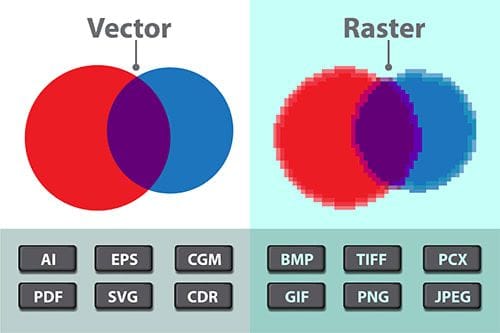
This is non-vector artwork, also called raster artwork. Raster files are pixel-based and are often the versions people have easiest access to because they are used online and in everyday documents.
Common non-vector (raster) formats include:
- JPG / JPEG
- PNG
- GIF
- TIFF
- BMP
- PSD (Photoshop file)
These can be perfectly fine for digital use, but they are not always suitable for branding, particularly when resizing or when the logo has fine details.
How Scaling Affects Your Brand
Vector artwork stays sharp whether it is small (like on a pen) or large (like on a banner). Raster artwork does not scale the same way. When enlarged, pixel edges become visible, and the design can look soft, jagged, or distorted.
If your artwork is supplied as a JPG or PNG and needs to be enlarged or adapted, it often requires conversion or redraw work to achieve a branding-ready result.
Colour Consistency Starts at Artwork Level
Colour accuracy is another area where file type matters. Digital print equipment reads colour information from the file provided. If colours are unclear or inconsistent, results can vary across products and print runs.
The Role of Pantone Colours
Pantone colours provide a standardised reference. When Pantone values are built into vector artwork, they create a clearer colour target and improve consistency across different branding applications.
If non-vector artwork is supplied, branding is typically applied as received, and colour adjustments or matching may be limited.
What If Your Artwork Is Not Print-Ready?
Many businesses only have a logo pulled from:
- a website
- an email signature
- a social media profile
- a past proposal or presentation
These are often raster files (JPG/PNG), and while they may look acceptable on screen, they can hold back the branding finish on physical items.
If needed, MerchGuru Promotional Goods Expert can assist with professional artwork support to create a clean, production-ready version suitable for branding.
Product-Specific Branding Still Matters
Even with perfect artwork, products vary. Materials, textures, and branding methods all influence the final look.
That’s why MerchGuru recommends using View Branding Guidelines on the product page. These PDFs outline:
- Branding positions
- Maximum branding sizes
- Branding methods
- Colour limitations
- Product-specific notes
Branding is not an exact science, and results may vary, but strong artwork preparation significantly improves consistency.
The Takeaway
If you want branded merchandise that looks sharp, intentional, and premium, start with the right artwork.
Vector files (AI, EPS, SVG, vector PDF) are best for branding. Non-vector files (JPG, PNG, GIF, TIFF, PSD, BMP) may work in some cases, but they come with limitations, especially around resizing and colour control.
MerchGuru Promotional Goods Experts helps you get it right from the start, so your merchandise becomes a brand touchpoint you can be proud of.