
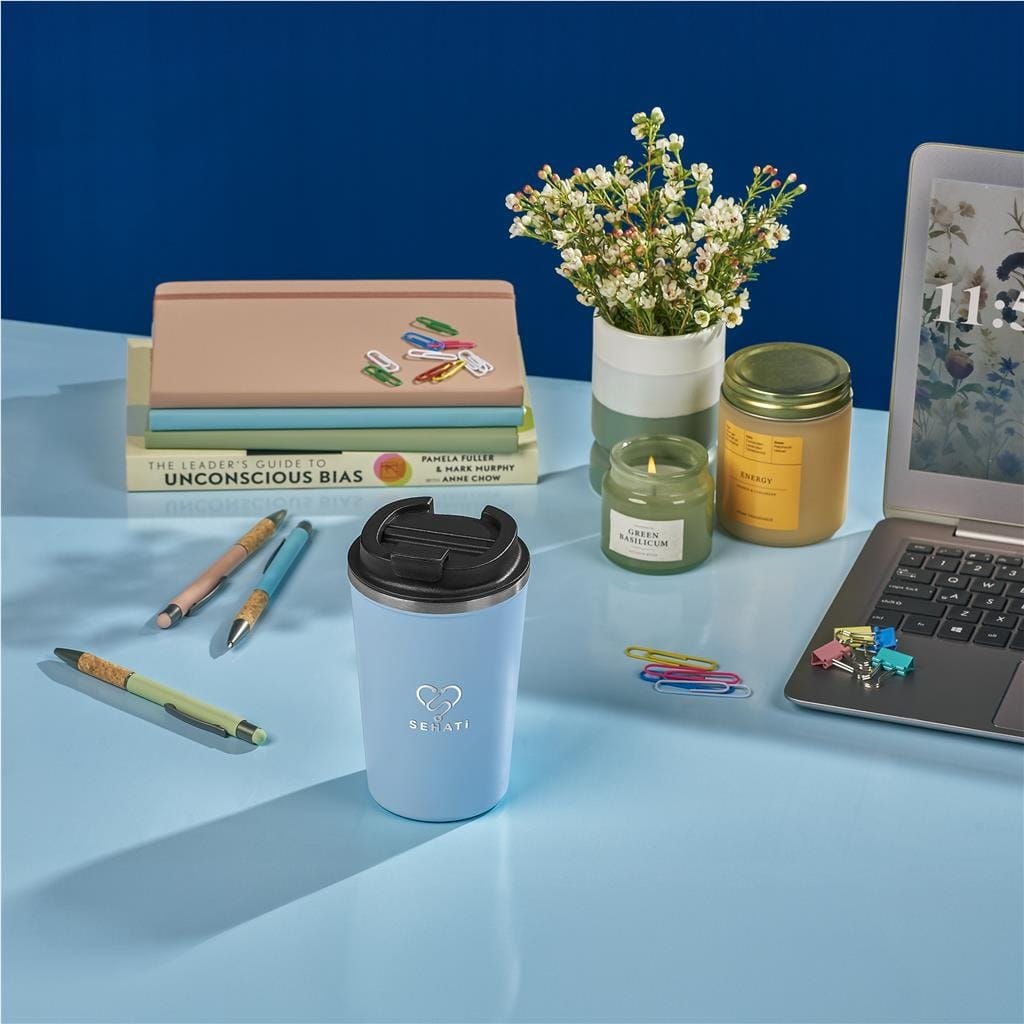
Most promotional items end up in a drawer. Branded water bottles for corporate gifting earn their place on a desk, in a gym bag, or at a conference table instead. When you choose drinkware people actually want to carry, your logo becomes part of their daily rhythm, not a fleeting impression. That shift from passive giveaway to active utility is what separates a memorable brand moment from wasted budget.
South African professionals are increasingly selective about what they reuse, so quality and relevance matter more than volume. A bottle that leaks, tastes metallic, or feels cheap gets tossed, no matter how prominent your branding is. Get the choice right, though, and it signals you understand both sustainability and the practical realities of local lifestyles.
Why Daily-Use Branded Water Bottles Drive Real Brand Recall
Frequency builds familiarity faster than any single high-impact campaign ever could.
You need touchpoints that survive past the initial handover, because real brand connection happens through repetition in authentic environments. A reusable bottle travels between home, office, and social spaces, putting your message in front of people when they’re relaxed rather than defensively scanning ads. That organic visibility compounds over months, and a functional object turns into a trusted companion carrying positive associations with your brand.
Utility drives retention because people keep things that solve problems for them. In South African offices, air conditioning dries out throats and load shedding disrupts water cooler access, so a personal hydration vessel is genuinely useful. When your gift meets a real need, the recipient credits your brand with that relief every time they take a sip.
High-frequency use also opens conversations. Colleagues ask where someone got their bottle. Event attendees notice matching drinkware across a venue. Clients spot your logo at gyms or coffee shops. These unscripted endorsements carry more weight than paid media, because they come from genuine appreciation, not commercial intent.
Choosing Materials for Eco-Friendly Water Bottles for Gifting
Material choice tells recipients your environmental stance before they ever read a sustainability report.
Stainless steel dominates premium corporate gifting because it balances durability with thermal performance: it keeps water cold through long South African summers and resists dents during the daily commute. Double-walled vacuum insulation adds perceived value, which helps justify a higher price point for executive gifts or milestone recognition. Food-grade 304 stainless steel avoids metallic taste transfer, and that matters when people refill the bottle several times a day.
Glass offers unmatched purity and visual elegance for boardroom settings or wellness campaigns where transparency signals cleanliness. Borosilicate variants handle temperature swings better than standard glass, though weight and fragility limit their use for field teams or outdoor events. Silicone sleeves add grip and an extra branding surface without hurting the material’s premium feel.
Recycled plastic tells the most direct circular-economy story for organisations tracking waste reduction. rPET bottles divert post-consumer waste from landfills and stay light enough for bulk distribution at large-scale activations. Verify a third-party certification like GRS to back up recycled-content claims; greenwashing accusations damage credibility faster than almost any other sustainability misstep.
Each material serves a different message, so match the choice to the story you want recipients to associate with your brand.
Matching Bottle Size and Function to Recipient Lifestyle
Capacity decides whether a bottle gets used daily or abandoned as impractical.
Desk-bound employees generally prefer 500ml to 750ml sizes that fit cup holders and don’t need refilling every hour during a focused work session. Wide mouths take ice cubes and clean more easily, which cuts down on the hygiene concerns that make people quietly stop using a bottle. Leak-proof lids are non-negotiable for anyone carrying electronics in the same bag.
Active commuters and gym-goers need 750ml to 1L capacities with locking mechanisms that survive being tossed into a sports bag. One-handed operation matters when hands are full or sweaty, so flip-top or straw lids beat screw caps here. Insulated stainless steel stops condensation from soaking paperwork or laptops in transit.
Outdoor event attendees do best with lightweight options that have carabiner clips or built-in handles. Collapsible silicone designs save space when empty, which suits conferences where delegates already carry several items. Bright colours improve visibility in a crowded venue and reinforce brand identity through colour.
Think about seasonal timing when planning bulk orders. Summer campaigns favour larger insulated vessels; winter wellness initiatives might pair smaller bottles with tea infusers or warm-beverage compatibility. Contextual relevance lifts adoption rates far more than a generic, year-round selection does.
Custom Water Bottles for Employees as Wellness and Recognition Tools
Hydration support shows employees you care, beyond anything you could say in a wellness policy.
Investing in tools that make healthy habits easier through a demanding workday tells your people that their health matters. Onboarding kits with a branded bottle welcome new hires into a culture that puts wellbeing first from day one, building an emotional connection before productivity expectations even start. Anniversary or milestone gifts reinforce the same message: they celebrate tenure with something that keeps serving the recipient long after the occasion has passed.
Team hydration challenges turn an individual gift into a shared experience that builds camaraderie. Tracking apps or marked measurement lines turn a passive object into an interactive wellness tool, no expensive technology required. Department-specific colour coding builds a sense of belonging while simplifying logistics for large, distributed teams.
Recognition programmes feel more authentic when the rewards match stated company values. If sustainability shows up in your mission statement, gifting reusable alternatives to single-use plastic proves that commitment runs deeper than marketing copy. Employees notice when words and actions line up, and that strengthens trust in leadership decisions across the business.
Wellness-focused customisation avoids the trap of generic branding that makes a gift feel transactional. A subtle, discreetly placed logo lets the recipient feel ownership while staying appropriate for client-facing roles. Overly aggressive branding undercuts the wellness message by putting visibility ahead of the recipient’s comfort.
Sustainable Drinkware for Corporate Gifting and ESG Alignment
Procurement choices now feed directly into measurable sustainability reporting.
Distributing reusable bottles gives you quantifiable data for ESG disclosures, once you track it against single-use plastic displacement targets. Calculating avoided waste means setting a baseline consumption rate before the intervention, then monitoring refill-station usage or self-reported survey data afterwards. Third-party verification adds credibility to claims that face growing scrutiny from investors and regulators alike.
Supply chain transparency matters as much as the end product for a complete ESG story. Sourcing from manufacturers with verified ethical labour practices and renewable energy commitments extends your impact beyond waste reduction. Local production cuts transport emissions and supports domestic manufacturing, adding a socioeconomic angle to the environmental one.
End-of-life planning is what separates genuine circular thinking from a performative gesture. A take-back programme, or a partnership with a recycling specialist, makes sure the bottle doesn’t eventually become the waste it was meant to prevent. Clear disposal instructions on the packaging or in digital content close the loop responsibly.
Employee engagement amplifies the impact of procurement when staff take part in the sustainability story. Sharing aggregate usage metrics internally reinforces everyone’s contribution toward the organisation’s goals. External communications should focus on the systemic change the purchasing enabled, not on congratulating the company for buying products.
Branded water bottles work as ESG tools only when they sit inside a broader strategy, not as a standalone fix. An isolated gesture, without the infrastructure or policy behind it, risks looking opportunistic under audit or stakeholder review. Authenticity comes from consistency across operations, not from clever merchandise selection.
Frequently Asked Questions
What are the best water bottles for corporate gifts in South Africa?
Double-walled stainless steel bottles in 500ml to 750ml sizes offer the best balance of durability, thermal performance, and perceived value for most corporate contexts. Choose food-grade 304 steel with leak-proof lids to ensure daily usability across office and commute environments. Avoid novelty shapes or excessive branding that compromises professional appropriateness.
Are glass or stainless steel bottles better for executive gifting?
Stainless steel suits executives who travel frequently or work in varied environments due to its durability and insulation properties. Glass works better for boardroom-only use where visual elegance and taste purity outweigh portability concerns. Consider pairing glass with protective silicone sleeves if recipients move between meeting locations.
How do I verify eco-friendly claims on branded water bottles?
Request third-party certifications like GRS for recycled content or LFGB for food safety compliance from suppliers before ordering. Ask for material test reports and supply chain audit documentation rather than accepting marketing copy at face value. Reputable providers will share verification willingly because they understand procurement teams face accountability for sustainability claims.
What size water bottle is best for office employees?
500ml to 750ml capacities fit standard cup holders and reduce refill frequency during focused work periods. Wide mouths simplify cleaning and ice addition, addressing common hygiene barriers to sustained use. Prioritise leak-proof mechanisms over larger capacity since spills near electronics create negative associations with the gift.